Every placement season, the same story repeats across Odisha's engineering colleges. A student with a strong CGPA, solid project work, and genuine technical ability walks into an interview — and walks out rejected. Not because they lacked knowledge. Because no one ever told them that knowing the subject and being interview-ready are two completely different skills.
If you're a final-year student staring down an upcoming placement drive, this is worth understanding early: clearing a technical interview is a skill in itself, and almost nobody teaches it.
The Real Gap Isn't Knowledge — It's Translation
Colleges are good at teaching subjects. Data structures, DBMS, operating systems, your core branch subjects — that part of the pipeline works. What breaks down is the next step: translating what you know into a 30-minute conversation where a stranger is actively trying to find the edges of your understanding.
That gap shows up in three predictable ways:
Most students' first "real" technical interview is also their first placement interview. There's no dry run, no feedback loop, no chance to make mistakes somewhere low-stakes. You wouldn't sit a board exam without a single mock test — but that's exactly how most students approach the interview that decides their first job.
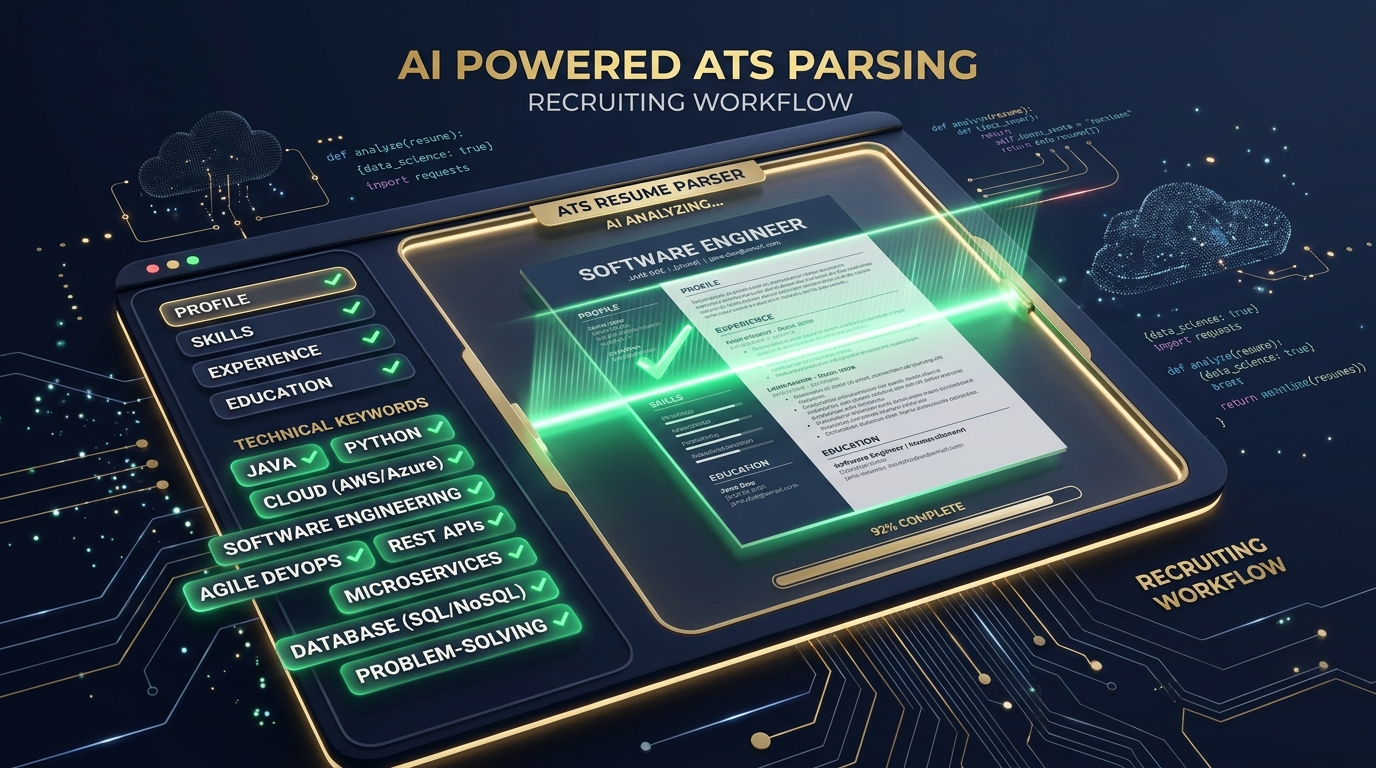
"Worked on a project using Python and MySQL" tells a recruiter almost nothing. It doesn't say what problem you solved, what decisions you made, or what changed because of your work. Resumes get filtered by both software (ATS systems) and humans in under 30 seconds — and vague task lists lose on both fronts.
Give a good student a problem with no time pressure and no one watching, and they'll often solve it fine. Put a recruiter across the table with a clock running, and the same student blanks — not because the knowledge disappeared, but because they've never practiced performing that knowledge under evaluation.
None of these are intelligence problems. They're preparation problems. And preparation problems are fixable — if you know what to actually practice.
What Actually Moves the Needle
Based on what we see working across mock interviews and placement cycles, three things consistently separate students who convert offers from students who don't:
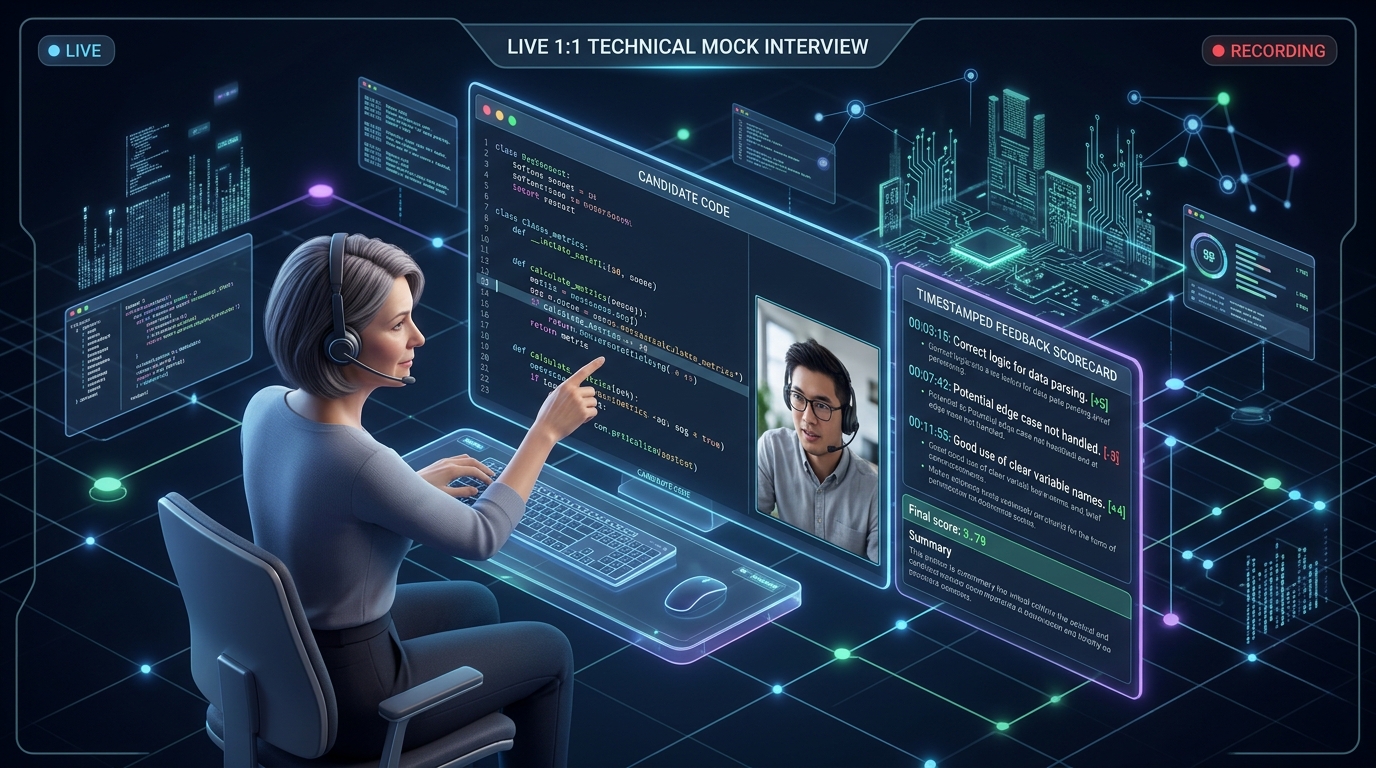
- Mock interviews with real feedback — not just practice for practice's sake. The value isn't in doing a mock interview. It's in someone experienced telling you, specifically, what would have gotten you rejected — a shaky explanation, a missed edge case, an answer that rambled instead of landing. Practicing without feedback just makes you comfortable being wrong in the same ways, repeatedly.
- A resume rebuilt around outcomes, not duties. "Built a REST API" becomes "Built a REST API handling 500+ requests/day, cutting manual data entry time by 60%." Same project. Completely different signal. If you can't quantify an outcome, describe the decision you made and why — that's still more useful than a task list.
- Company-specific preparation, not generic prep. A system design round at a product company and a DSA-heavy round at a service company test different things. Generic "interview prep" that doesn't account for this wastes time on the wrong depth in the wrong areas.
The Bridge Between Where You Are and Where You Need to Be
This is exactly the gap PlacementSetu exists to close. Our mock interviews and technical vetting are run by practicing engineers — not generalist trainers — from companies like S&P Global, Deloitte, PwC, LTIMindtree, and Wayfair. People who currently sit on the other side of the interview table, coaching you on what that table actually looks like.
You don't need more theory. You need someone to tell you, honestly, what's standing between your preparation and your next offer — and then help you close that gap before the interview that matters.
If you're heading into placement season, start with an honest read on where you stand.
Explore our packages or book a strategy call to get a real assessment instead of another generic prep checklist.
Book a Strategy Assessment